

Every parent wants their child to succeed in school. From helping with homework and attending parent-teacher conferences to encouraging good study habits, families work hard to support their children’s education.
However, one of the most important factors influencing student success is sometimes overlooked: regular school attendance.
Missing an occasional school day because of illness or an unavoidable family emergency may not seem significant. But when absences become frequent, even when they are excused, students can begin missing valuable instruction, social interactions, and opportunities for personal growth.
Across the Commonwealth, school attendance in Kentucky has become an increasingly important topic for parents, educators, and community organizations.
According to the Kentucky Department of Education, chronic absenteeism continues to affect thousands of students throughout the state. While attendance rates have improved in recent years, many children are still missing substantial amounts of classroom instruction.
At Clark County Equity Coalition, we believe every child deserves meaningful educational opportunities and the support necessary to succeed. We also recognize that attendance challenges are not always as simple as a student refusing to attend school.
Sometimes, the underlying causes involve transportation difficulties, health concerns, family responsibilities, bullying, or emotional challenges.
Understanding these barriers is essential to helping students develop positive attendance habits and stay connected to their education.
Why School Attendance in Kentucky Is So Important
School attendance affects much more than a student’s report card.
Every school day provides opportunities to develop academic skills, build friendships, strengthen relationships with educators, and participate in experiences that contribute to personal development.
When students attend school consistently, they are better positioned to:
-
Understand new academic concepts.
-
Develop reading, writing, and mathematics skills.
-
Participate in classroom discussions.
-
Build relationships with teachers and classmates.
-
Receive academic assistance when needed.
-
Participate in extracurricular activities.
-
Develop confidence and independence.
-
Establish routines that support future success.
Classroom learning is often cumulative. Students build upon information introduced during previous lessons.
For example, a student who misses several mathematics lessons may struggle when the class moves to a more advanced topic. A child who misses foundational reading instruction may find later assignments increasingly difficult.
Even when teachers provide makeup work, completing assignments at home does not always replace the classroom discussions, demonstrations, and individualized explanations students missed.
Regular attendance helps children remain connected to the learning process.
What Is Chronic Absenteeism in Kentucky Schools?
One of the most important concepts parents should understand is chronic absenteeism.
According to the Kentucky Department of Education, a student is considered chronically absent when they miss 10% or more of their enrolled school days, regardless of whether the absences are excused or unexcused.
For a student enrolled for a traditional 180-day school year, that amounts to approximately 18 missed days.
That’s an average of only two days per month during a nine-month school year.
Consider how quickly absences can accumulate:

Average Days Missed
1 day per month
2 days per month
3 days per month
4 days per month
Total Over Nine Months
9 days
18 days
27 days
36 days
Missing two days each month may not seem excessive, especially when the absences occur for legitimate reasons.
However, those missed days can represent nearly an entire month of classroom instruction over the school year.
The Kentucky Department of Education’s Attendance Matters initiative emphasizes the importance of recognizing attendance concerns early.
Chronic absenteeism is different from truancy.
Truancy involves unexcused absences or tardiness under applicable attendance laws and policies.
Chronic absenteeism measures the total amount of school missed, including excused absences.
This distinction matters because a child may be chronically absent even when every absence has been properly documented.
School Attendance in Kentucky: What the Numbers Reveal
Chronic absenteeism is not an isolated problem affecting only a handful of schools.
It is a statewide educational concern.
According to the Kentucky Department of Education’s 2026 Attendance Matters fact sheet, approximately 25% of Kentucky public school students were chronically absent during the 2024–2025 school year.
That represents roughly one in four students.
The statewide rate was approximately 28% during the 2023–2024 school year, indicating improvement but also demonstrating that substantial challenges remain.
The Department of Education has identified attendance as an important priority and developed resources to help schools, families, and communities address the problem.
These efforts recognize that improving attendance requires more than monitoring absences.
Schools and communities must understand why students are missing school and identify ways to remove barriers.
For parents in Winchester, Clark County, and throughout Central Kentucky, these statewide figures provide an important reminder that attendance deserves attention before academic difficulties become more serious.
1. Missing School Can Affect Academic Performance
One of the most direct consequences of frequent absences is the potential impact on academic achievement.
Students who regularly miss school may have difficulty keeping up with new lessons, assignments, and classroom expectations.
This can become especially challenging in subjects that require consistent practice.
Reading and Literacy
Early reading instruction often involves building foundational skills through repeated practice.
Students learn letter recognition, phonics, vocabulary, comprehension, and increasingly complex reading strategies.
When young children miss substantial classroom time, they may have fewer opportunities to practice these essential skills.
Research highlighted by Attendance Works connects chronic absenteeism in the early grades with concerns about school readiness and reading proficiency.
Mathematics
Mathematics instruction frequently builds from one concept to the next.
A student who misses lessons about fractions may struggle when the class begins more advanced operations involving fractions.
Without additional support, these learning gaps can accumulate.
Science and Other Subjects
Science experiments, group projects, presentations, and classroom discussions can be difficult to recreate through makeup assignments alone.
Consistent attendance helps students participate in these learning experiences rather than relying exclusively on materials completed outside the classroom.
2. School Attendance Helps Children Build Social Skills
Academic achievement is important, but school also plays a major role in children’s social development.
Throughout the school day, students learn how to communicate, cooperate, resolve disagreements, and develop friendships.

They participate in group assignments, classroom activities, and interactions that help build interpersonal skills.
Frequent absences may make it more difficult for some students to maintain those relationships.
A child who regularly misses school might feel disconnected from classmates or become anxious about returning after an extended absence.
In some situations, this can create a difficult cycle.
A student misses school, feels socially disconnected, becomes uncomfortable returning, and then begins missing additional days.
Parents and educators should pay attention to these patterns.
When students feel welcomed, supported, and connected to their school community, attending school may become a more positive experience.
3. Attendance Can Affect Student Confidence and Motivation
Imagine returning to school after missing several days and discovering that your classmates have moved ahead in multiple subjects.
Assignments may seem confusing.
Classroom discussions may involve information you haven’t learned.
Teachers may expect students to understand concepts introduced while you were absent.
For some children, this experience can create frustration, embarrassment, or anxiety.
Over time, a student who repeatedly falls behind may begin believing they are incapable of succeeding academically.
This can negatively affect confidence and motivation.
Rather than assuming a student is uninterested in learning, parents and educators should consider whether the child is struggling to reconnect with classroom expectations.
Additional tutoring, individualized instruction, or a supportive conversation with a teacher may help the student regain confidence.
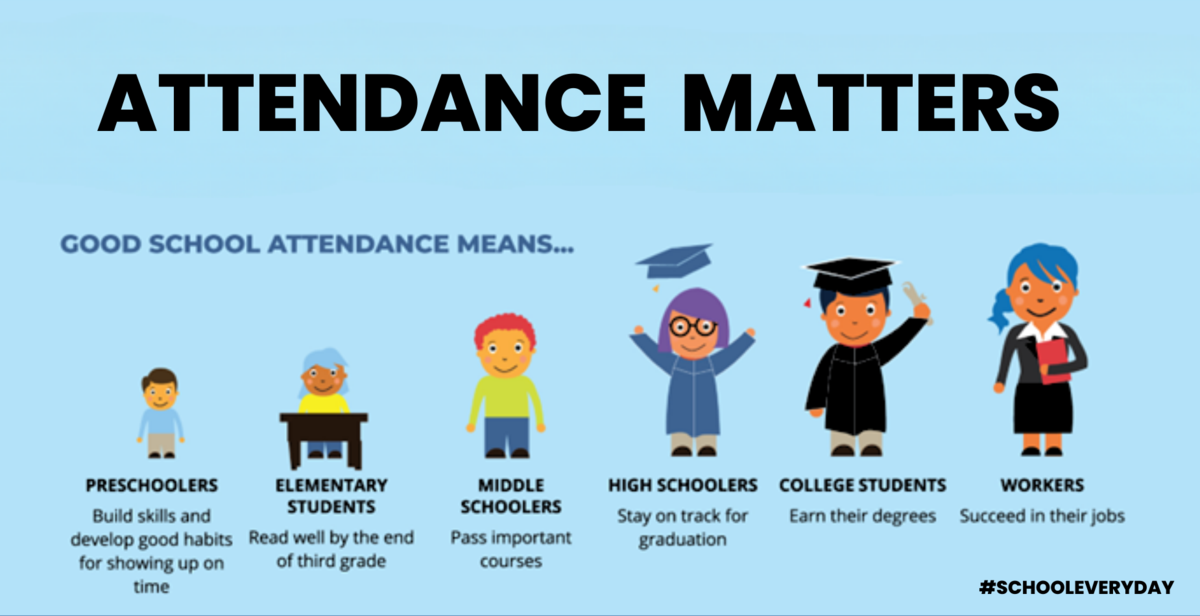
4. Chronic Absenteeism Can Affect Long-Term Educational Opportunities
The effects of frequent absences are not limited to the current school year.
Attendance patterns may influence educational experiences throughout elementary, middle, and high school.
Students who repeatedly miss instruction may encounter greater difficulties meeting academic expectations, completing coursework, or earning required credits.
In high school, consistent attendance can be particularly important because students must satisfy graduation requirements while preparing for future opportunities.
Students may also miss career exploration activities, college preparation events, mentorship programs, and other experiences that help them plan for adulthood.
The Kentucky Department of Education identifies chronic absenteeism as an important warning sign associated with academic difficulties and an increased risk of leaving school before graduation.
However, these outcomes are not inevitable.
Early intervention and appropriate support can help students recover from attendance-related setbacks.
5. Why Are Students Missing School in Kentucky?
One of the biggest misconceptions about school attendance is that frequent absences always result from a lack of motivation or parental involvement.
In reality, families may encounter significant barriers that make consistent attendance difficult.
Transportation Challenges
Some families have unreliable transportation or experience difficulty coordinating school transportation with work schedules.
Missing a school bus may create a serious problem when parents cannot leave work or arrange another ride.
Physical Health Concerns
Illness, medical appointments, chronic health conditions, and recovery from medical procedures can contribute to missed school days.
Children should not be encouraged to attend school when they are too ill to participate safely or when public health guidance recommends staying home.
Families managing recurring medical concerns can work with schools to discuss appropriate educational supports.
Mental Health and School Anxiety
Anxiety, depression, grief, bullying, and other emotional challenges may make school attendance difficult.
Some children experience headaches, stomachaches, or other physical symptoms associated with anxiety.
Others may become withdrawn or repeatedly express fear about attending school.
These concerns deserve compassionate attention rather than automatic assumptions about behavior.
Bullying and Negative School Experiences
Students who feel unsafe, excluded, or mistreated may begin avoiding school.
Parents should take repeated complaints about bullying or uncomfortable school experiences seriously.
Working with school personnel to address the underlying concern can be an important step toward improving attendance.
Housing and Financial Instability
Families experiencing housing instability, financial hardship, or frequent moves may struggle to maintain consistent routines.
Students may also experience disruptions related to changes in caregivers or family responsibilities.
The Kentucky Department of Education’s chronic absenteeism resources recognize these kinds of barriers and emphasize the importance of coordinated support.
Understanding the reason behind an absence is often the first step toward finding an effective solution.
6. The Connection Between Mental Health and School Attendance
Mental health and school attendance are closely connected.
A child experiencing emotional distress may find it difficult to concentrate, participate in classroom activities, or feel comfortable around classmates.
For some students, school anxiety becomes particularly noticeable on Sunday evenings or weekday mornings.
Parents may observe:
-
Frequent complaints of stomachaches before school.
-
Difficulty sleeping on school nights.
-
Increased irritability or emotional distress.
-
Repeated requests to stay home.
-
Fear of particular classes or social situations.
-
Sudden changes in school attendance patterns.
These symptoms do not automatically indicate a mental health condition, but persistent concerns deserve further attention.
Parents can begin by having a calm conversation with their child.
Ask what feels difficult about school and whether anything has changed.
A school counselor, pediatrician, or qualified mental health professional may help identify appropriate next steps.
When emotional challenges contribute to absences, addressing the underlying concern is often more effective than focusing exclusively on attendance numbers.
7. How Parents Can Improve School Attendance in Kentucky
Parents and caregivers play an important role in establishing routines and recognizing attendance concerns early.
However, improving attendance does not require perfection.
The goal is to create realistic habits and communicate proactively when challenges arise.
Establish a Consistent Morning Routine
Predictable routines can make school mornings less stressful.
Preparing clothing, backpacks, and school materials the night before may reduce last-minute confusion.
Consistent bedtimes and wake-up times can also help children prepare for the school day.
Monitor Attendance Regularly
Parents may be surprised by how quickly missed days accumulate.
Review your child’s attendance record periodically through the school’s parent portal or by contacting school staff.
If absences are increasing, address the pattern before it becomes more difficult to manage.
Schedule Appointments Thoughtfully
When possible, consider scheduling routine appointments outside school hours or during school breaks.
However, necessary medical care should never be delayed simply to avoid an absence.
Communicate With Teachers
If your child misses school, ask about essential lessons, assignments, and opportunities to catch up.
Teachers may be able to identify the most important work and recommend appropriate academic support.
Take School Avoidance Seriously
When a child repeatedly resists attending school, try to understand the underlying reason.
A supportive conversation may reveal academic difficulties, bullying, anxiety, or another concern that needs attention.
Recognize Progress
If your child has struggled with attendance, acknowledge improvements.
Small, consistent steps can help rebuild positive routines and confidence.
8. What Should Parents Do When Their Child Is Chronically Absent?
Discovering that your child has missed a significant amount of school can be concerning.
However, chronic absenteeism should be treated as an opportunity to identify needs and develop a plan.
Begin by reviewing the attendance record with your child’s school.

Ask whether particular days, classes, or circumstances appear connected to the absences.
Next, discuss the barriers your family is experiencing.
If transportation is the primary issue, ask about available transportation resources.
If your child is struggling academically, request information about tutoring or additional instructional support.
If anxiety or bullying is contributing to absences, work with appropriate school personnel to address those concerns.
Families may also benefit from discussing whether a formal support plan is appropriate for a child with disability-related needs.
For eligible students, an Individualized Education Program (IEP) or Section 504 plan may address disability-related barriers affecting school participation.
The most effective attendance plan is one that responds to the student’s actual circumstances.
9. How Schools Can Help Students Improve Attendance
Improving school attendance in Kentucky is a shared responsibility.
While parents help establish routines and communicate concerns, schools can create environments that encourage students to attend regularly.
Effective approaches may include:
-
Monitoring attendance patterns to identify concerns early.
-
Contacting families with supportive, nonjudgmental communication.
-
Helping students recover missed instruction.
-
Providing access to school counselors and student support teams.
-
Addressing bullying and school safety concerns.
-
Building positive relationships between students and educators.
-
Connecting families with community resources.
-
Developing individualized attendance improvement plans when appropriate.
The Kentucky Department of Education’s Chronic Absenteeism Toolkit provides materials designed to help schools communicate with families and strengthen attendance practices.
The goal should be to make students feel that they belong at school and that their presence matters.
10. How Community Organizations Can Support School Attendance
Schools and families cannot address every attendance barrier alone.
Community organizations can play an important role by helping families access resources and opportunities that support educational stability.
For example, community partnerships may help connect families with:
-
Transportation assistance.
-
Food and housing resources.
-
Mental health services.
-
Tutoring and academic support.
-
Mentorship opportunities.
-
Parent education programs.
-
Student enrichment activities.
-
Healthcare referrals.
When community organizations collaborate with schools and families, they can help address challenges that extend beyond the classroom.
Kentucky families seeking assistance can explore Kentucky 211 for referrals to local services.
Parents may also contact their child’s school-based Family Resource and Youth Services Center to ask about available support.
These resources can be especially valuable when attendance difficulties involve multiple challenges.

How Clark County Equity Coalition Supports Student Success
At Clark County Equity Coalition, we believe every student deserves meaningful opportunities to learn, grow, and prepare for a successful future.
We also recognize that barriers to educational success are not always visible.
A student struggling with attendance may be experiencing anxiety.
A family may be facing transportation difficulties.
A child may be falling behind academically and feel embarrassed about returning to class.
An educator may need additional resources to identify and respond to challenges affecting students.
Our mission emphasizes educational opportunity, community collaboration, student well-being, and access to helpful resources.
We encourage families and educators to approach attendance concerns with understanding, open communication, and a commitment to finding practical solutions.
Through stronger relationships between families, schools, and community organizations, we can help create educational environments where students feel supported and connected.
By helping families access information and encouraging collaboration, we aim to support positive educational experiences for students throughout Clark County and surrounding communities.
Frequently Asked Questions About School Attendance in Kentucky
How many absences are considered chronic absenteeism in Kentucky?
Kentucky defines chronic absenteeism as missing 10% or more of enrolled school days for any reason. For a student enrolled in a 180-day school year, that is approximately 18 days.
Do excused absences count toward chronic absenteeism?
Yes. Both excused and unexcused absences count toward chronic absenteeism. This is different from truancy, which focuses on unexcused attendance violations.
Can missing two days of school each month affect learning?
Yes. Missing approximately two days per month can add up to 18 days over a nine-month school year. Repeated absences may result in missed instruction, learning gaps, and fewer opportunities for classroom participation.
What should I do if my child refuses to attend school?
Begin by talking with your child to understand the reason. Contact the teacher or school counselor to discuss possible academic, social, emotional, or safety concerns. Persistent difficulties may warrant support from a healthcare or mental health professional.
Where can Kentucky parents find help with attendance problems?
Parents can contact their child’s school, school counselor, Family Resource and Youth Services Center, or district attendance office. The Kentucky Department of Education also provides family resources through its Attendance Matters initiative.
Final Thoughts: School Attendance in Kentucky Is About More Than Showing Up
School attendance in Kentucky is about more than recording whether a student is present or absent.
Every school day offers opportunities to learn, develop friendships, build confidence, and prepare for future success.
When students miss significant amounts of school, they may lose access to important academic instruction and experiences that support their development.
However, improving attendance requires more than reminding families that school is important.
It requires understanding why students are absent and helping families address the challenges that interfere with consistent participation.
Some children need academic assistance.
Others need mental health support, transportation solutions, or stronger relationships with school personnel.
Every student’s circumstances are different.
At Clark County Equity Coalition, we believe that when parents, educators, and community organizations work together, students have greater opportunities to overcome barriers and succeed.
By encouraging regular attendance, identifying concerns early, and connecting families with meaningful support, we can help children throughout Clark County and Kentucky build stronger educational foundations.
Learn more about our mission, programs, and commitment to student success by visiting Clark County Equity Coalition.
Together, we can help build stronger schools, stronger families, and brighter futures for Kentucky students.