
Understanding special education can feel overwhelming for parents, particularly when unfamiliar terms, meetings, and legal requirements become part of their child’s educational journey. One of the most important terms families may encounter is an Individualized Education Program (IEP).
If you’ve been told that your child may need an IEP in Kentucky schools, you might have several questions. What exactly is an IEP? How does a child qualify? Who develops the plan? What rights do parents have? And how can an IEP help a child succeed?
At Clark County Equity Coalition, we believe that parents and caregivers should have access to understandable educational information that helps them advocate for their children. Every student has unique strengths, abilities, and challenges, and recognizing those differences is essential to creating meaningful learning opportunities.
This guide explains how an IEP in Kentucky schools works, what parents should expect during the special education process, and where families can find additional support.
What Is an IEP in Kentucky Schools?
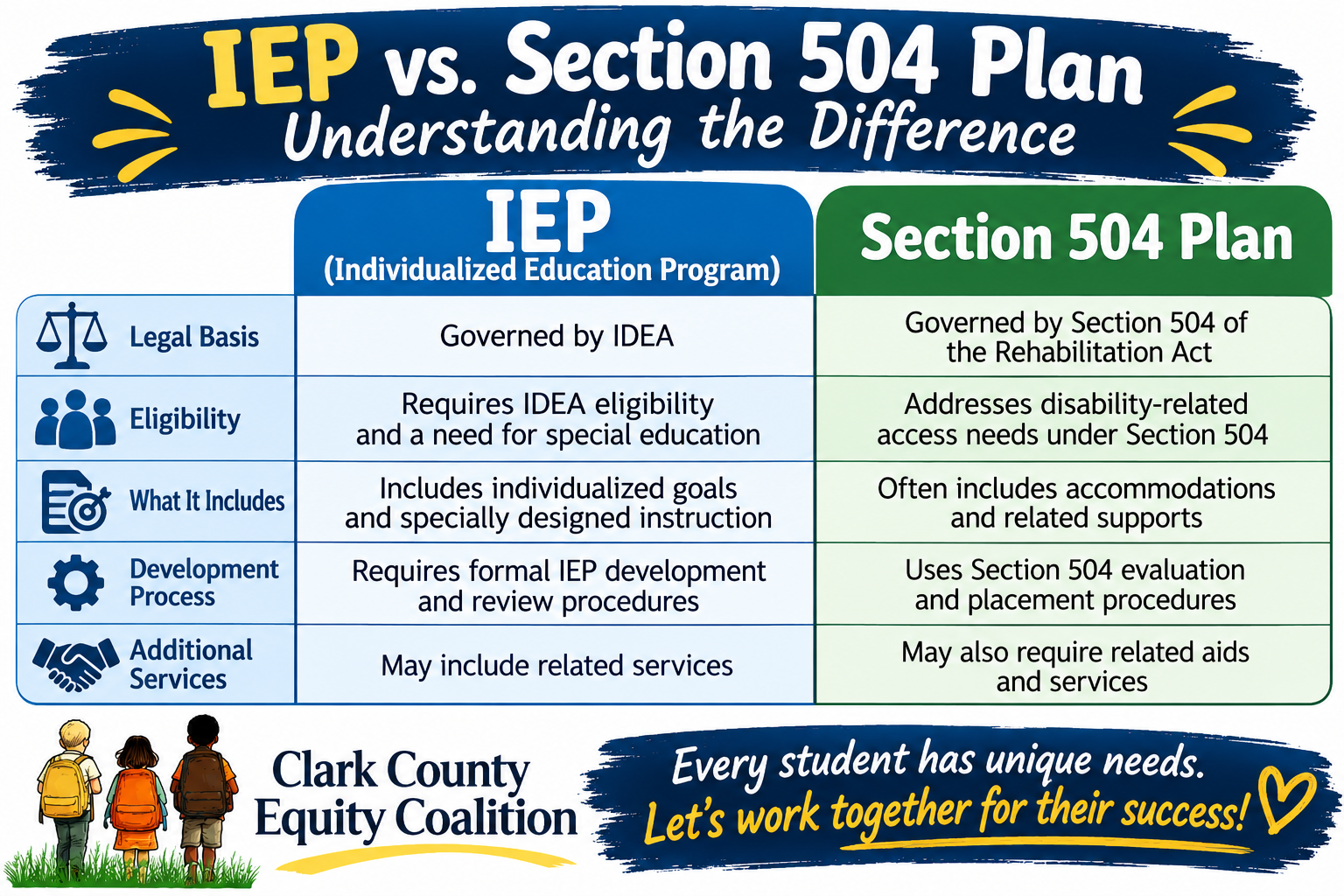
An Individualized Education Program (IEP) is a written educational plan developed for a student who qualifies for special education services under the federal Individuals with Disabilities Education Act (IDEA).
An IEP outlines the student’s educational needs, measurable learning goals, specialized instruction, related services, accommodations, and other supports necessary to help the student make appropriate educational progress.
According to the Kentucky Department of Education’s Parent and Family Resources, an IEP is designed to help eligible students access the general education curriculum while receiving instruction and support tailored to their individual needs.
An IEP is not simply a document identifying a student’s disability. It is an educational plan that establishes what the school will provide and how progress toward the student’s goals will be measured.
For example, a student with a reading-related learning disability might receive specially designed reading instruction and measurable reading goals. Another student may require speech-language therapy, assistive technology, or behavioral supports.
The specific services depend on the student’s individual needs.
An IEP is not about lowering expectations for students. It is about identifying the instruction and support they need to access educational opportunities and make meaningful progress.
What Is the Individuals with Disabilities Education Act (IDEA)?
The Individuals with Disabilities Education Act, commonly called IDEA, is the federal law governing special education services for eligible children with disabilities.
Under IDEA, eligible students have the right to a Free Appropriate Public Education (FAPE).
This means public schools must provide qualifying students with special education and related services designed to meet their individual educational needs at no cost to their families.
IDEA also establishes requirements involving evaluations, parental participation, educational placement, and procedural protections.
For school-aged children, IDEA Part B generally covers eligible students ages 3 through 21.
Kentucky implements IDEA through state special education regulations and guidance.
Parents can learn more by reviewing the Kentucky Department of Education’s Parent and Family Rights information.

Who Qualifies for an IEP in Kentucky Schools?
Not every student who struggles academically will qualify for an IEP.
To receive special education services under IDEA, a student must meet eligibility requirements for a recognized disability category and, because of that disability, need specially designed instruction.
IDEA recognizes several disability categories, including:
-
Autism.
-
Specific learning disabilities, such as certain reading or mathematics disabilities.
-
Speech or language impairments.
-
Emotional disturbance, the terminology used in IDEA.
-
Other health impairments, which may include qualifying conditions affecting educational performance.
-
Intellectual disabilities.
-
Hearing impairments.
-
Visual impairments.
-
Orthopedic impairments.
-
Traumatic brain injury.
-
Multiple disabilities.
-
Deaf-blindness.
-
Developmental delay, when applicable under state eligibility rules.
A medical diagnosis alone does not automatically establish IEP eligibility. Likewise, students do not necessarily need a medical diagnosis before a school can evaluate whether they qualify under IDEA.
The determination must be based on an appropriate educational evaluation and the student’s need for special education.
For families who suspect their child may need additional assistance, the first step is often discussing their concerns with a teacher, school counselor, or special education administrator.
How Does a Child Get an IEP in Kentucky Schools?
The process of obtaining an IEP in Kentucky schools involves several important stages.
Step 1: Recognizing a Possible Educational Need
Parents and educators may notice that a student is experiencing persistent difficulties with learning, communication, attention, behavior, or other areas affecting school performance.
For example, a child might consistently struggle to understand reading assignments despite receiving additional classroom instruction.
Another student may have difficulty communicating effectively or participating in everyday classroom activities.
Recognizing these concerns early allows families and educators to discuss whether an evaluation may be appropriate.
Step 2: Requesting a Special Education Evaluation
Parents can contact their child’s school and request an evaluation to determine whether the student qualifies for special education services.
Making the request in writing can help establish a clear record of the family’s concerns.
The school must follow applicable procedures for responding to the request, including reviewing whether an evaluation is warranted.
A request does not automatically mean that the child qualifies for special education, but it initiates an important conversation about the student’s needs.
Step 3: Completing the Evaluation
When an initial evaluation is appropriate, the school must obtain informed parental consent before conducting it.
The evaluation should examine relevant areas of suspected disability and use appropriate assessment methods.
Depending on the student’s needs, the evaluation may include academic assessments, observations, developmental information, communication assessments, and other relevant information.
In Kentucky, the initial evaluation, eligibility determination, IEP development for an eligible student, and initial provision of services must generally be completed within 60 school days after the district receives written parental consent, subject to applicable exceptions. Parents should distinguish school days from calendar days.
Step 4: Determining Eligibility
After the evaluation, the school’s Admissions and Release Committee reviews the information to determine whether the student qualifies for special education.
If the student is eligible, the committee develops an individualized plan addressing the student’s educational needs.
If the student does not qualify, parents can discuss other school-based supports that may be available.
The Kentucky Department of Education’s ARC and IEP resources provide additional guidance on the process.
What Is an Admissions and Release Committee (ARC)?
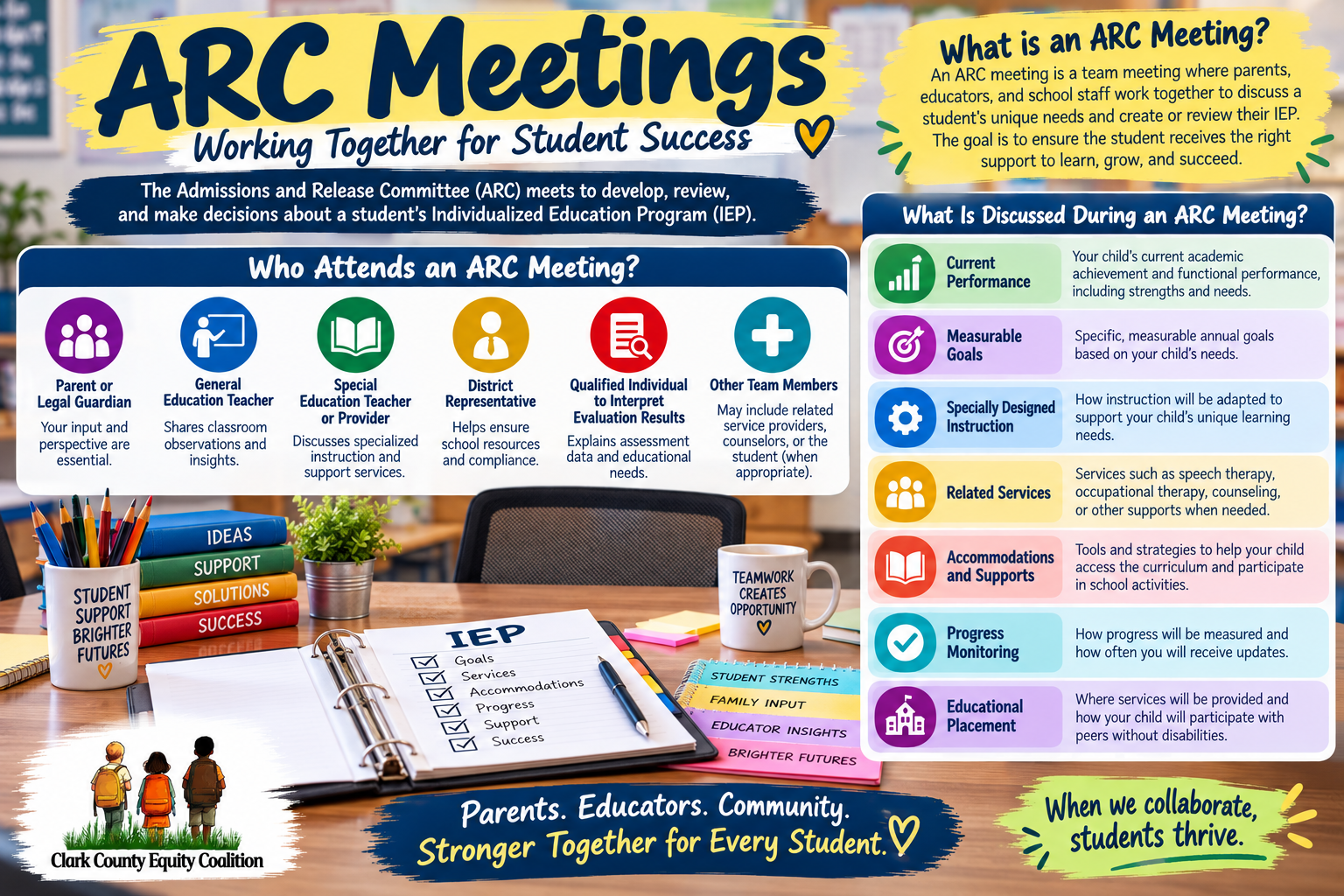
In Kentucky, the team responsible for making special education decisions and developing a student’s IEP is called the Admissions and Release Committee, or ARC.
Other states commonly use the term IEP team, but Kentucky families will frequently hear educators refer to ARC meetings.
An ARC typically includes the student’s parent or legal guardian, a regular education teacher when applicable, a special education teacher or provider, a qualified district representative, and someone who can interpret evaluation results.
Other individuals with relevant knowledge or expertise may participate, and the student may participate when appropriate.
Parents are full members of the ARC, not simply observers.
They bring valuable knowledge about their child’s strengths, challenges, interests, and experiences outside the classroom.
The Kentucky Department of Education emphasizes the importance of parental involvement in ARC meetings and IEP development.
What Information Is Included in an IEP?
Although every IEP is individualized, federal regulations establish required components.
Understanding these components can help parents participate more confidently in the planning process.
Present Levels of Academic Achievement and Functional Performance
This section describes the student’s current abilities, strengths, and educational needs.
It establishes a starting point for developing appropriate goals.
For example, the plan might describe a student’s current reading performance, communication skills, or ability to complete classroom tasks.
Measurable Annual Goals
An IEP must include measurable annual goals addressing the student’s disability-related educational needs.
Goals should be specific enough that educators and parents can evaluate progress.
For example, rather than stating that a student will simply “improve reading,” a goal might identify a particular reading skill and measurable performance target.
Specially Designed Instruction
Specially designed instruction is teaching adapted to address a student’s unique disability-related needs.
This may involve specialized teaching methods, instructional approaches, or changes to how content is delivered.
Related Services
Some students need additional services to benefit from special education.
Depending on individual needs, these may include speech-language services, occupational therapy, physical therapy, counseling, or other qualifying services.
Accommodations and Supplementary Supports
Accommodations help students access instruction or demonstrate what they know.
Examples may include extended testing time when appropriate, assistive technology, accessible materials, or alternative ways of presenting information.
The student’s needs determine which accommodations are included.
Progress Monitoring
An IEP must explain how progress toward annual goals will be measured and when parents will receive progress reports.
This helps families and educators determine whether the student is making appropriate progress or whether changes are needed.
Services and Educational Placement
The IEP also identifies when services will begin, their anticipated frequency, location, and duration, and the extent to which the student will participate with peers without disabilities.
These requirements are explained in the federal IDEA regulations governing IEP content.
How Often Is an IEP Reviewed in Kentucky Schools?
An IEP is not a permanent document that remains unchanged throughout a student’s education.
Kentucky requires the ARC to review a student’s IEP at least once every 12 months.
During the review, the committee examines the student’s progress, considers new information, evaluates whether goals remain appropriate, and determines whether changes are necessary.
An ARC meeting may also be held before the annual review when circumstances warrant reconsidering the student’s needs.
Parents who notice that their child’s current plan is not adequately addressing educational concerns can request an ARC meeting rather than waiting for the next scheduled annual review.
The Kentucky IEP Development Guidance explains the state’s review requirements and the importance of incorporating parental input.
What Rights Do Parents Have During the IEP Process?
Understanding parental rights is one of the most important parts of navigating an IEP in Kentucky schools.
IDEA provides protections intended to ensure that parents can participate meaningfully in decisions about their child’s education.
Depending on the circumstances, these protections include the right to:
-
Participate in ARC meetings and educational decision-making.
-
Receive notice of certain proposed or refused school actions.
-
Review relevant educational records.
-
Provide information and express concerns about their child’s needs.
-
Give or withhold informed consent when required.
-
Request an independent educational evaluation under applicable IDEA rules.
-
Receive information about procedural safeguards.
-
Pursue applicable dispute-resolution procedures when disagreements arise.
Parents should understand that participation involves more than attending a meeting and signing paperwork.
They can ask questions, request explanations, share concerns, and discuss whether proposed services adequately address their child’s needs.
The Kentucky Department of Education provides a Parent and Family Rights guide that explains procedural safeguards and additional protections.
How Parents Can Prepare for an ARC Meeting
Preparing ahead of time can help parents feel more confident during an ARC meeting.
Consider reviewing your child’s current grades, educational assessments, teacher communications, and previous IEP documents.
It may also be helpful to write down observations about your child’s experiences at home.
For example, does your child frequently become frustrated while completing homework? Are there particular subjects where they seem more confident? Have you noticed improvements or new challenges?
Parents can bring these observations to the meeting.
10 Questions Parents Can Ask During an ARC Meeting
-
What are my child’s greatest academic and personal strengths?
-
What specific educational needs were identified during the evaluation?
-
How will the proposed IEP address those needs?
-
What specialized instruction and services will my child receive?
-
How will we measure progress toward annual goals?
-
How frequently will I receive progress updates?
-
What accommodations will be provided in the classroom?
-
How will general education and special education teachers coordinate?
-
What should I do if I believe my child needs additional support?
-
How can I reinforce appropriate learning goals at home?
These questions can help families better understand the plan and establish productive communication with educators.
Does Having an IEP Mean a Child Cannot Attend General Education Classes?
No. Receiving an IEP does not automatically mean a student must be educated in a separate classroom.
Under IDEA’s Least Restrictive Environment (LRE) requirements, eligible students with disabilities must be educated with students without disabilities to the maximum extent appropriate.
Removal from the regular educational environment is appropriate only when the nature or severity of the disability means education in regular classes cannot be achieved satisfactorily with supplementary aids and services.
Some students receive most or all of their instruction in general education classrooms with additional supports.
Others may need specialized instruction in different settings for part of the school day.
The appropriate placement is an individualized decision based on the student’s needs and the applicable legal requirements.
The goal is to provide an appropriate education while supporting meaningful participation in the school community.
What Happens When a Student With an IEP Approaches Graduation?
Special education planning also involves preparing students for life beyond high school.
Under federal IDEA regulations, transition planning must be included in the IEP no later than the first IEP in effect when a student turns 16, or earlier when appropriate. Kentucky has additional state-specific transition-planning requirements, so families should consult current KDE guidance.
Transition planning may address:
-
Postsecondary education.
-
Career exploration.
-
Vocational training.
-
Employment opportunities.
-
Independent living skills, when appropriate.
-
Community participation.
-
Services that may support the transition to adulthood.
For students with disabilities, preparing for adulthood should involve meaningful conversations about personal interests, strengths, aspirations, and the support needed to pursue future goals.
An effective transition plan helps connect educational experiences with opportunities beyond graduation.
Where Can Kentucky Parents Find Special Education Resources?
Families navigating an IEP in Kentucky schools do not have to rely exclusively on information provided during school meetings.
Several organizations offer educational materials, parent training, and advocacy resources.
Kentucky Department of Education
The state’s official education agency provides guidance on special education eligibility, IEP development, ARC procedures, and parental rights.
Visit the KDE Parent and Family Resources page.
Kentucky Special Parent Involvement Network (KY-SPIN)
KY-SPIN helps families of children with disabilities understand educational processes and connect with helpful information. Its resources include webinars and parent education materials.
Visit the KY-SPIN Educational Law page.
Kentucky Protection & Advocacy
Kentucky Protection & Advocacy provides disability-rights advocacy, education, and related assistance within its service scope.
Information is available on the Kentucky Protection & Advocacy Online Resources page.
U.S. Department of Education — IDEA
The federal IDEA website provides the regulations governing evaluations, eligibility, IEP development, parental participation, and other special education requirements.
Visit the Individuals with Disabilities Education Act website.
These resources can help parents become more informed and confident participants in their child’s education.
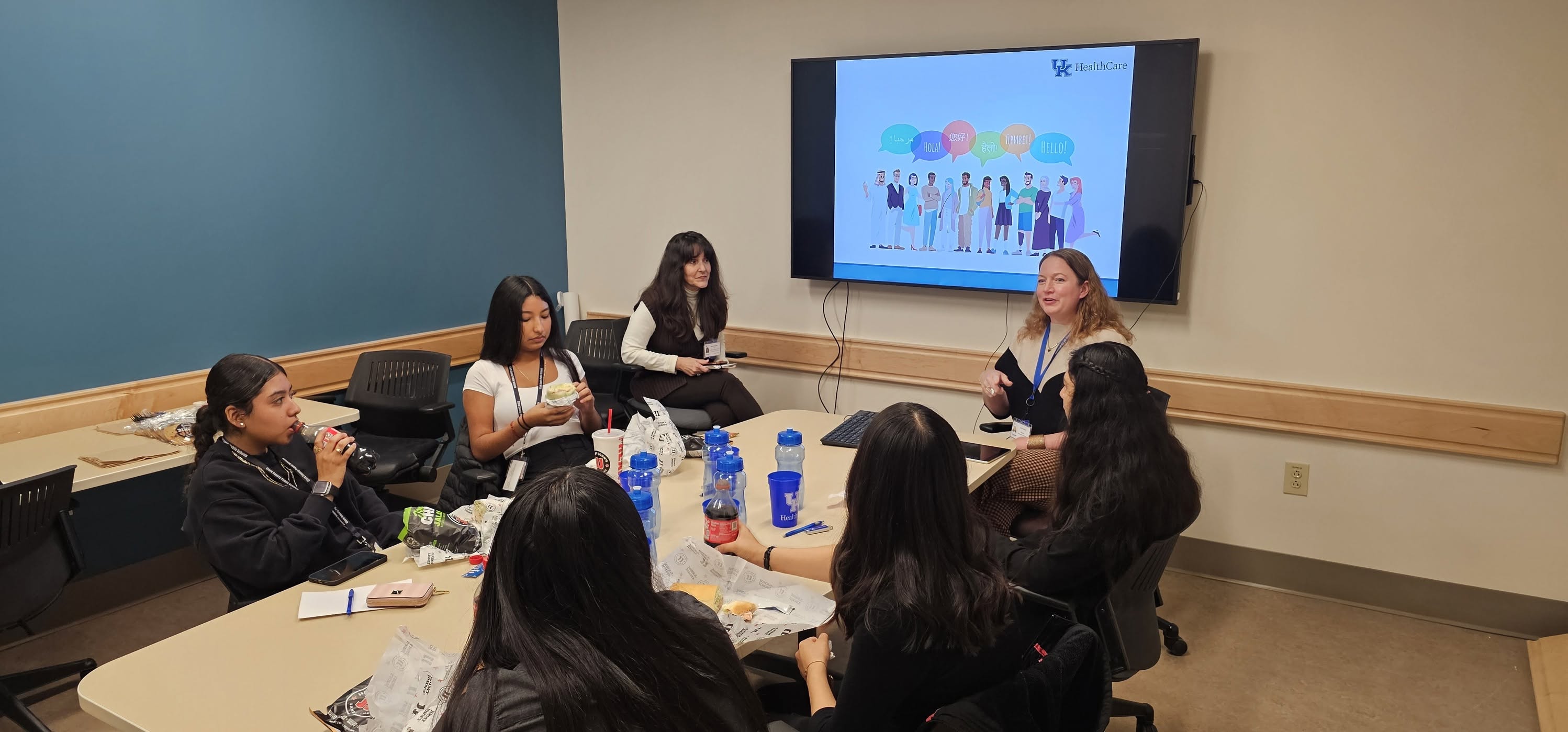
How Clark County Equity Coalition Supports Educational Opportunity
At Clark County Equity Coalition, we believe every child deserves meaningful opportunities to learn, grow, and succeed.
We recognize that students have different educational needs and that families may encounter challenges when navigating unfamiliar school processes.
Understanding special education is one important part of strengthening parent engagement and supporting student success.
Our mission emphasizes community collaboration, educational opportunity, student well-being, and access to helpful resources.
We encourage parents to maintain open communication with educators, ask questions about their children’s educational experiences, and seek reliable information when concerns arise.
Families can learn more about our work through the following pages:
-
Contact Clark County Equity Coalition
By helping families access information and encouraging stronger relationships between parents, schools, and community organizations, we can support more inclusive and effective educational environments.
Final Thoughts: Understanding an IEP in Kentucky Schools
Learning that your child may need special education services can bring many questions, but understanding the process can help families make informed decisions.
An IEP in Kentucky schools is designed to identify a qualifying student’s individual educational needs and establish a plan for providing appropriate instruction, services, and support.
Parents play an essential role throughout this process.
From requesting an evaluation and participating in ARC meetings to reviewing annual goals and monitoring progress, families have opportunities to help shape their child’s educational experience.
Most importantly, an IEP should recognize that a child’s disability does not define their potential.
Every student has strengths worth developing, abilities worth celebrating, and goals worth pursuing.
At Clark County Equity Coalition, we believe informed families and supportive schools are essential to helping students reach their full potential.
When parents, educators, and community organizations work together, we can create stronger educational opportunities and brighter futures for children throughout Clark County and Kentucky.
Disclaimer: This article about IEP in Kentucky schools is provided for general educational purposes and reflects special education guidance available as of October 2026. It is not legal advice. Federal and Kentucky special education requirements may change. Families should contact their school district, the Kentucky Department of Education, or a qualified professional for guidance concerning an individual student’s circumstances.