A student’s success in school depends on much more than intelligence, study habits, or classroom instruction. Their emotional well-being plays an equally important role in how they learn, interact with others, overcome challenges, and achieve their academic goals. Understanding the link between mental health and academic success is essential for parents, educators, and communities that want every child to have the opportunity to thrive.
Mental health affects how students think, feel, learn, and respond to everyday situations. When children feel safe, supported, and emotionally healthy, they are more likely to stay engaged in school, develop positive relationships, and reach their full academic potential. Conversely, untreated mental health challenges can impact attendance, concentration, motivation, and overall school performance.
At the Clark County Equity Coalition, we believe supporting student well-being is a proactive investment in educational success. Our mission is to partner with families, educators, and the community to provide meaningful resources, expand opportunities, and create supportive learning environments where every student can succeed. Through initiatives such as Proactive Mental Health Support, we work alongside Clark County Public Schools to equip educators with the tools and resources needed to recognize student needs and foster trauma-informed learning environments.
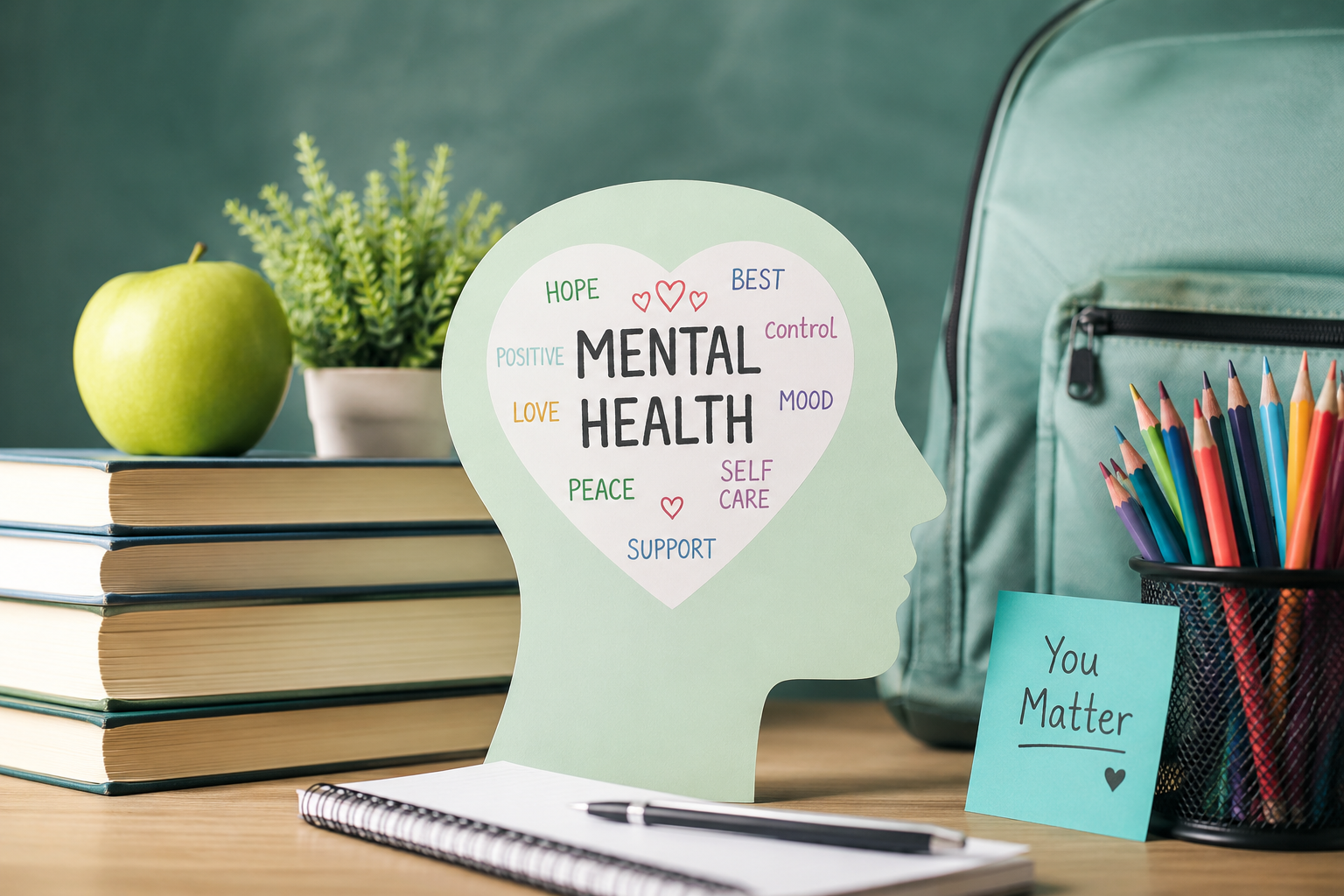
What Is Student Mental Health?
Mental health includes a child’s emotional, psychological, and social well-being. It influences how students:
- Learn new information
- Manage stress
- Build friendships
- Solve problems
- Handle disappointment
- Develop confidence
- Make responsible decisions
Mental health exists on a spectrum. Every student experiences stress from time to time, but when emotional challenges become persistent or interfere with daily life, additional support may be needed.
According to the Centers for Disease Control and Prevention (CDC), positive mental health helps children build resilience, develop healthy relationships, and perform better in school.
How Mental Health Affects Learning
One of the strongest examples of the link between mental health and academic success is its impact on a student’s ability to learn.
Children experiencing anxiety, depression, chronic stress, or trauma may struggle to:
- Pay attention during lessons
- Retain information
- Complete assignments
- Participate in classroom discussions
- Stay motivated
- Manage deadlines
- Perform well on assessments
These struggles are often misunderstood as behavioral issues when, in reality, they may be signs that a student needs additional emotional support.
Recognizing this difference early can help students receive the appropriate assistance before academic challenges become more significant.
Attendance and Mental Health
Students who feel emotionally supported are more likely to attend school consistently.
On the other hand, mental health concerns may contribute to:
- Frequent absences
- School avoidance
- Difficulty transitioning back after illness
- Lower classroom participation
Regular attendance gives students the opportunity to stay engaged with instruction, build relationships with peers, and maintain academic progress.
Creating safe, welcoming school environments encourages students to attend with confidence.
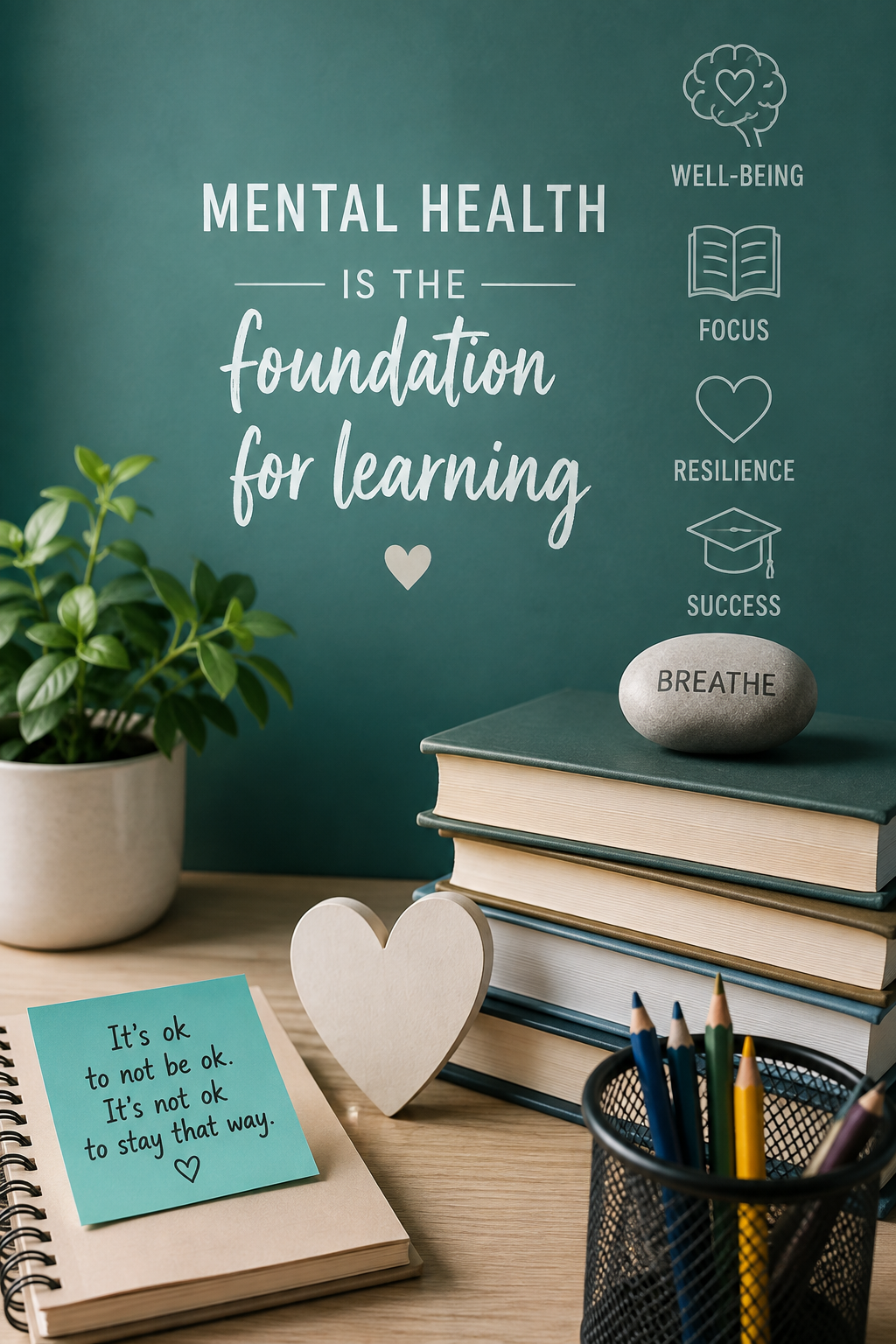
Emotional Well-Being Builds Academic Confidence
Confidence plays a major role in academic achievement.
Students who believe they can overcome challenges are more willing to:
- Ask questions
- Participate in class
- Try difficult assignments
- Learn from mistakes
- Develop persistence
Positive mental health supports this confidence by helping students develop resilience—the ability to recover from setbacks and continue learning.
Rather than fearing failure, resilient students begin viewing challenges as opportunities for growth.
Healthy Relationships Improve Student Success
Learning doesn’t happen in isolation.
Students perform better academically when they have strong relationships with:
- Parents
- Teachers
- School counselors
- Coaches
- Mentors
- Classmates
Supportive relationships help children feel connected to their school community, increasing both engagement and motivation.
At the Clark County Equity Coalition, we recognize that collaboration between families, educators, and community organizations creates stronger support systems that benefit every student. Learn more about our mission on our About Us page.

Supporting Teachers Supports Students
Educators are often among the first adults to notice changes in a student’s behavior or emotional well-being.
However, teachers cannot address these challenges alone.
The Clark County Equity Coalition’s Proactive Mental Health Support initiative partners with schools to provide educators with access to qualified mental health professionals, trauma-informed training, and practical strategies for distinguishing mental health concerns from behavioral issues. This proactive approach helps schools respond with compassion while creating accountable, supportive learning environments.
The Role of Parents
Parents play an essential role in supporting their child’s mental health.
Simple daily habits can make a significant difference, including:
- Listening without judgment
- Encouraging open conversations
- Maintaining consistent routines
- Prioritizing healthy sleep habits
- Limiting excessive screen time
- Celebrating effort as much as achievement
- Asking about both school and emotions
When children know they have trusted adults who care about both their academic progress and emotional well-being, they are more likely to seek help when needed.
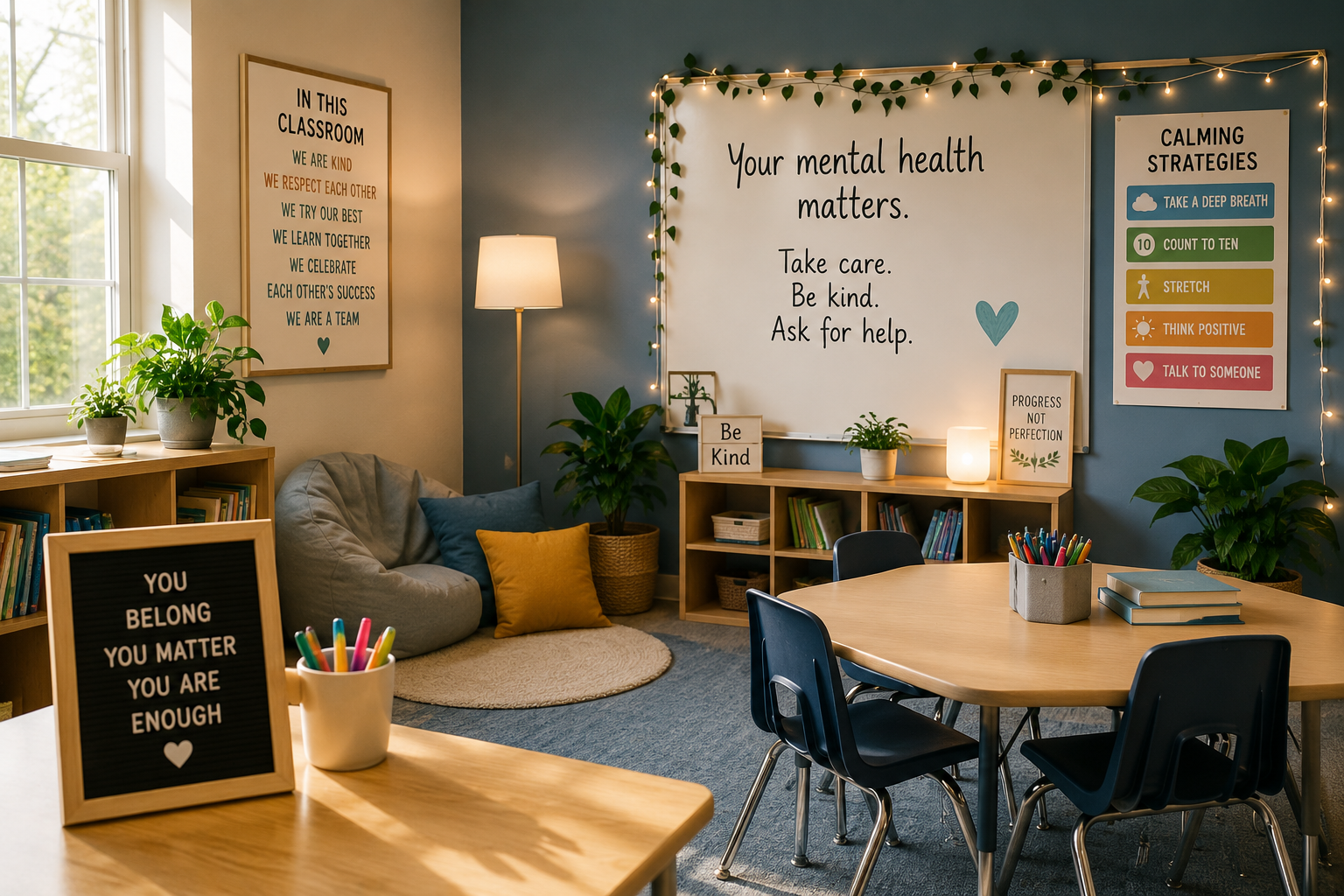
Creating Safe Learning Environments
Students learn best when they feel:
- Safe
- Respected
- Included
- Encouraged
- Supported
Positive school climates reduce stress while increasing engagement and academic achievement.
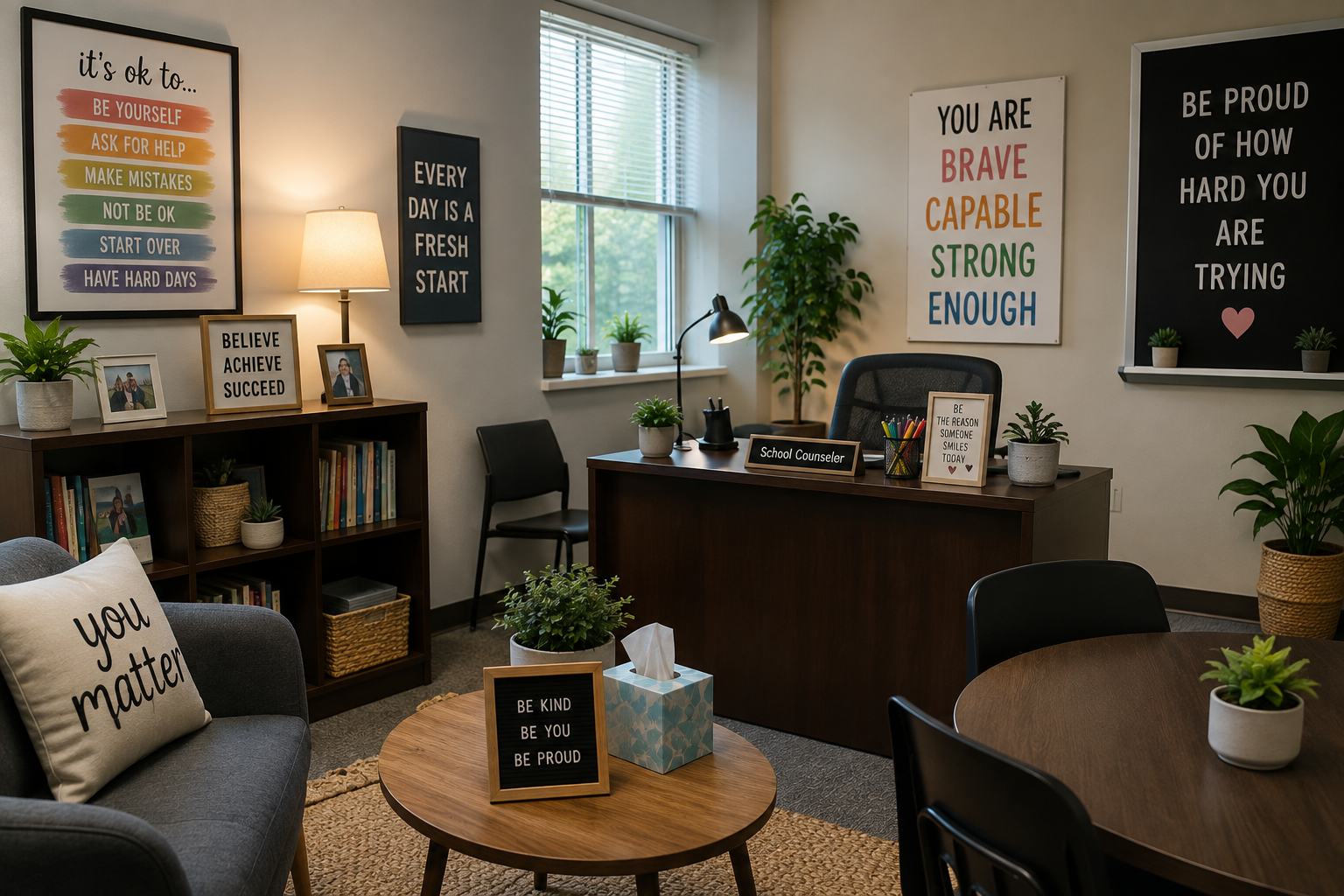
Creating these environments requires collaboration between schools, families, community partners, and students themselves.
Every child deserves a learning environment where they feel valued and capable of success.
Building Resilience for Long-Term Success
Resilience isn’t something children are born with—it’s developed over time through supportive relationships and positive experiences.
Parents and educators can help students build resilience by encouraging them to:
- Solve problems independently
- Learn from mistakes
- Set realistic goals
- Celebrate progress
- Practice gratitude
- Develop healthy coping skills
These life skills support both academic achievement and future success beyond graduation.
Community Partnerships Make a Difference
Strong communities contribute to strong schools.
Organizations like the Clark County Equity Coalition help bridge the gap between education, families, and community resources by creating programs that expand opportunities for students while supporting educators and parents.
In addition to our Proactive Mental Health Support initiative, our programs include leadership development, career exploration, medical interpreter training, and the Clark County Black & Hispanic Achievers Program—all designed to help students develop confidence, prepare for future careers, and discover their full potential.
Signs a Student May Need Additional Support
Every child experiences difficult days, but ongoing changes in behavior may indicate the need for additional support.
Parents and educators should pay attention to:
- Sudden changes in grades
- Frequent absences
- Withdrawal from friends
- Persistent sadness or irritability
- Difficulty concentrating
- Loss of interest in favorite activities
- Changes in sleep or appetite
Early intervention can make a meaningful difference.
The American Academy of Pediatrics encourages families to seek support early when concerns arise rather than waiting for challenges to worsen.
Supporting Mental Health Together
Addressing student mental health is not the responsibility of one person or one organization.
Successful support systems involve collaboration among:
- Families
- Teachers
- School counselors
- Community organizations
- Healthcare professionals
- Local leaders
Working together allows students to receive consistent encouragement and appropriate resources both inside and outside the classroom.
Final Thoughts
Understanding the link between mental health and academic success helps us recognize that learning is about more than grades and test scores. Students thrive when they feel emotionally supported, connected to their schools, and surrounded by caring adults who believe in their potential.
At the Clark County Equity Coalition, we are committed to creating proactive solutions that strengthen student well-being, support educators, empower families, and expand opportunities for every child. Through community partnerships, educational resources, professional development, and student-centered programming, we strive to ensure that all students have the support they need to succeed in school and beyond.
Together, we can build healthier schools, stronger communities, and brighter futures—one student at a time.